

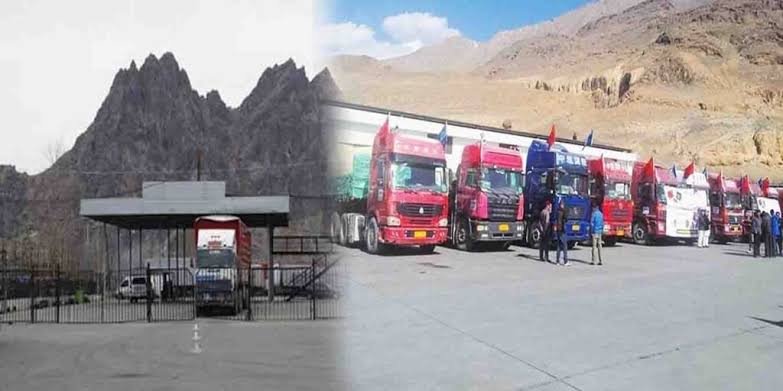
After several months of inactivity, Pakistan’s northern trade route through the Khunjerab Pass has once again come alive — and with it, the Sost Dry Port has set a remarkable new record in customs revenue collection. During the month of *October, Pakistan Customs reported a **historic recovery of Rs 1.88 billion, marking the *highest-ever monthly revenue in the dry port’s operational history.
Located in the remote yet strategically vital valley of Hunza in *Gilgit-Baltistan, Sost Dry Port serves as Pakistan’s main overland trade gateway with China. It sits near the Khunjerab Pass — the highest paved international border crossing in the world, and an integral part of the *China–Pakistan Economic Corridor (CPEC). For years, this port has been a crucial link between the markets of Xinjiang and northern Pakistan, facilitating the flow of goods ranging from industrial machinery and raw materials to everyday consumer products.
According to customs officials, the unprecedented revenue surge in October was made possible primarily due to the revival of commercial activities between the two neighboring countries. Trade through this route had remained suspended for several months following an extended strike by local traders in Gilgit-Baltistan, who were protesting against what they described as “unjust taxation policies” and administrative hurdles in customs clearance procedures.
Their protest, which included a complete halt of cross-border trade and sit-ins near Sost, caused a significant backlog of hundreds of containers stranded at the port and along the Karakoram Highway. The stalemate finally came to an end in late September after a high-level negotiation committee — formed under the directives of the Prime Minister of Pakistan — held marathon talks with the Gilgit-Baltistan Traders Association. The dialogue culminated in a written agreement that addressed several of the traders’ key concerns.
Under this agreement, the federal government assured local business representatives of a *review in customs valuation mechanisms, relief from excessive port demurrage charges, and a *temporary relaxation of certain import duties specific to the northern region. The decision also included an understanding to consider Gilgit-Baltistan’s unique geographic and economic conditions, given that it functions as a remote border territory with limited domestic industries and a heavy reliance on transit trade.
When trade activities resumed through the Khunjerab Pass in early October, the Sost Customs authorities quickly moved to process the piled-up consignments. This bulk clearance of delayed cargo translated into extraordinary revenue for the month, as duties and taxes on accumulated shipments were recorded simultaneously. Customs officials also noted that the inflow of fresh consignments from China surged beyond expectations as the trading community sought to make up for lost time.
Experts believe that this development carries both *economic and symbolic significance. Economically, the record revenue strengthens Pakistan’s customs collection at a time when the federal government is under pressure to meet ambitious fiscal targets set under its agreements with the International Monetary Fund (IMF). Symbolically, it signals a revival of *confidence between the business communities of Pakistan and China, and showcases the resilience of border trade despite months of disruption.
The Khunjerab route, which had been closed not only due to the traders’ strike but also due to harsh weather and pandemic restrictions in previous years, is one of the most sensitive trade arteries in South Asia. It connects Pakistan’s mountainous northern terrain with China’s Xinjiang province, making it an essential component of regional connectivity and CPEC logistics.
Officials from the Federal Board of Revenue (FBR) described the October achievement as “a breakthrough that reflects the potential of northern trade corridors.” They also mentioned that enhanced digital tracking systems, improved customs facilities at Sost, and the automation of clearance procedures have helped streamline operations and reduce corruption risks — all of which contributed to the higher revenue figures.
Looking ahead, customs authorities are planning to *expand the port’s capacity, introduce *modern scanning and storage infrastructure, and ensure that trade operations continue even during the winter months when the Khunjerab Pass often shuts down due to snowfall. Traders in the region have welcomed these reforms, expressing hope that the government’s renewed attention to the northern border economy will bring long-term prosperity to the people of Gilgit-Baltistan.
In essence, the Rs 1.88 billion revenue record at Sost Dry Port is more than just a fiscal achievement — it is a sign of *revitalized Pakistan-China trade cooperation, **improved local governance, and a *step toward integrating remote border economies into national growth frameworks. It underscores how policy coordination, logistical planning, and responsive governance can turn a regional dispute into a story of economic resurgence.