

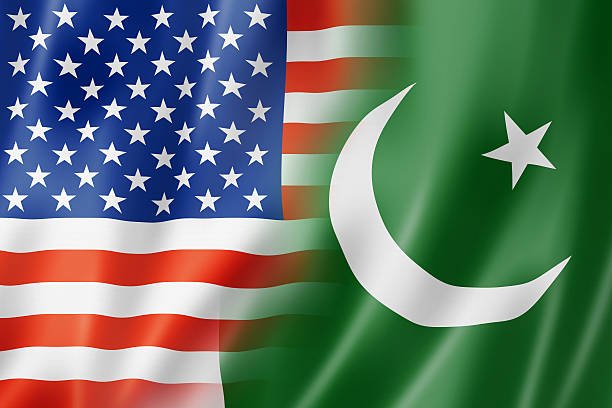
Islamabad and Washington appear to be entering a new and encouraging phase in their relationship, as both nations have reaffirmed their determination to strengthen bilateral ties. Pakistan’s ambassador to the United States, *Rizwan Saeed Sheikh, described this renewed momentum as a serious step toward transforming the Pakistan–US relationship into an *economically resilient and strategically significant partnership — one that extends beyond traditional diplomacy to long-term cooperation in key sectors.
According to a detailed report published by Dawn, this development followed an important meeting at the *US Department of State, where **S. Pal Kapoor, the recently appointed Assistant Secretary of State for South and Central Asian Affairs, held introductory discussions with Ambassador Sheikh. Having assumed office on **October 22, this was Kapoor’s first formal interaction with Pakistan’s representative. The meeting was reportedly conducted in a *cordial and forward-looking atmosphere, with both sides exchanging views on how to deepen engagement and translate political goodwill into tangible outcomes.
Following the meeting, Ambassador Sheikh shared a message on the social media platform *‘X’ (formerly Twitter), explaining that the discussion focused on *practical and actionable measures to transform the renewed political commitment at the leadership level into *real and sustainable cooperation. He noted that both sides examined new ways to strengthen ties in areas of *trade, technology, education, investment, and energy, aiming to convert diplomatic dialogue into meaningful progress that benefits both nations.
Ambassador Sheikh further emphasized that Pakistan hopes the United States will view it *not merely through a regional security lens, but as a dynamic partner with growing importance in **economic development, global trade, and regional peacebuilding. However, observers point out that Washington still tends to assess Pakistan’s role in relation to its **strategic balance with India and China, a factor that continues to influence its South Asia policy. Despite this, recent signals from the US administration indicate a *genuine desire to re-engage with Islamabad to promote stability and prosperity across the region.
This is not the first time Washington has spoken about rebuilding its ties with Islamabad, but what sets this moment apart is the clear shift toward a policy-oriented framework rather than symbolic statements. The intention appears to be establishing long-term institutional collaboration, where shared interests are supported through structured initiatives and measurable outcomes.
The meeting between Assistant Secretary Kapoor and Ambassador Sheikh also reflects a new diplomatic tone — one that seeks to adapt Pakistan–US relations to contemporary global realities. Experts believe that while both sides still have much work to do to sustain this momentum, there is growing recognition in both capitals that a stable, economically empowered Pakistan serves not only regional peace but also the broader interests of the United States.
In essence, the Pakistan–US relationship seems poised to enter a transformative era — an era defined not by short-term political needs, but by *economic partnership, regional collaboration, and global cooperation. If this positive trajectory continues, the relationship between the two nations could evolve from being merely diplomatic to a *genuinely strategic and development-oriented alliance, capable of shaping South Asia’s future in a far more balanced and constructive way.